
Sales
See the Finished Site Before You Pay a Cent
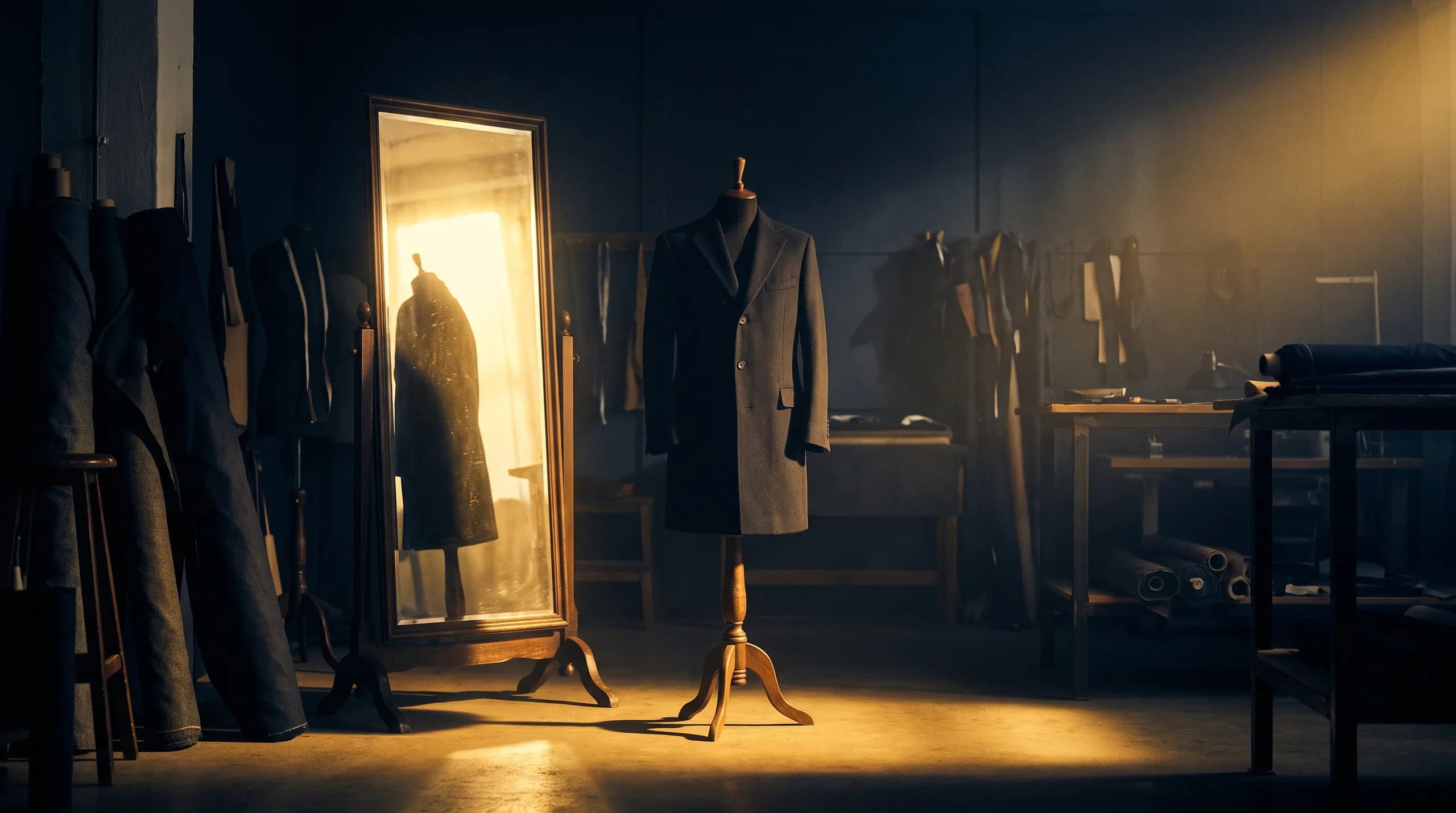
Try on the coat before buying it. Test-drive the car. Taste the wine. View the house. In almost every purchase that matters, civilisation agreed centuries ago on a basic sequence: inspect first, pay second. Then there's web design, where the standard sequence is: pay a deposit for work that doesn't exist, wait months, and discover what you bought at the end, when your bargaining power is gone and your budget is spent.
We think that sequence survives for one reason only — under the old cost structure, nobody could afford to flip it. So we flipped it. The pipeline builds your entire site first. You get a link to a preview dashboard and look at the finished thing — your pages, your copy, your brand, working, on your phone. Then, and only then, you decide whether to take the keys. No deposit. No contract signed in the dark. If it's not right for you, you walk away and owe nothing.
Why the old sequence existed
Be fair to the agencies: deposits weren't villainy, they were survival. When a build costs hundreds of human hours, no firm can gamble those hours on a client who might not pay. The deposit moves the risk to the only party who can't assess it — you, who have never seen this firm's unlaunched work and can't judge a promise. The entire apparatus of the industry, from mood boards to weekly calls to revision rounds, is scaffolding built to manage the anxiety of buying something sight unseen. It doesn't remove the risk. It decorates it.
What changes when production stops costing months
Our economics run the other way. The pipeline produces a complete build in 24 hours — 75 AI agents in parallel, measured against a 95+ performance floor, reviewed and signed off by Paul before you see it. When the cost of building is a day rather than a quarter, we can afford to carry the risk ourselves. So the proof burden flips with it: instead of asking you to believe promises, we hand you the finished article and let it argue its own case. If we build something you don't want, that's our loss, not yours — which is precisely the pressure that keeps the quality floor honest. A business that only gets paid for work clients love has the right incentive structure hard-wired in.
What inspection actually gets you
- Judgement replaces trust. You're not evaluating a portfolio of other people's sites — you're evaluating yours.
- Your own reaction is data. Show it to your partner, your staff, a customer. Their first three seconds tell you more than any pitch meeting.
- The decision has a deadline, not a treadmill. A preview window, a clear yes or no — not a creeping scope negotiation.
- Walking away is a real option, which changes the psychology of everything before it.
The question this raises about everyone else
Once one supplier shows the finished work before payment, every deposit-first pitch has to answer a new question: why can't you? The honest answer — 'our cost structure can't survive speculative builds' — is reasonable, but notice what it is: a fact about their economics, billed to you as your risk. Wherever you buy, you're allowed to ask what you'll see before money moves. The size of the pause before the answer is the information.
AI does most of the work. Paul reviews everything before it ships. And you review everything before you pay. That's the whole model — three inspections, in the right order, ending with yours.